
Cordyceps journal1 min read
Research literacy for wellness products
How to read studies without confusing mechanisms, surrogate markers and consumer outcomes.
Read articleExplore origin, harvesting, history, sustainability, terminology and quality through a calmer editorial reading experience.
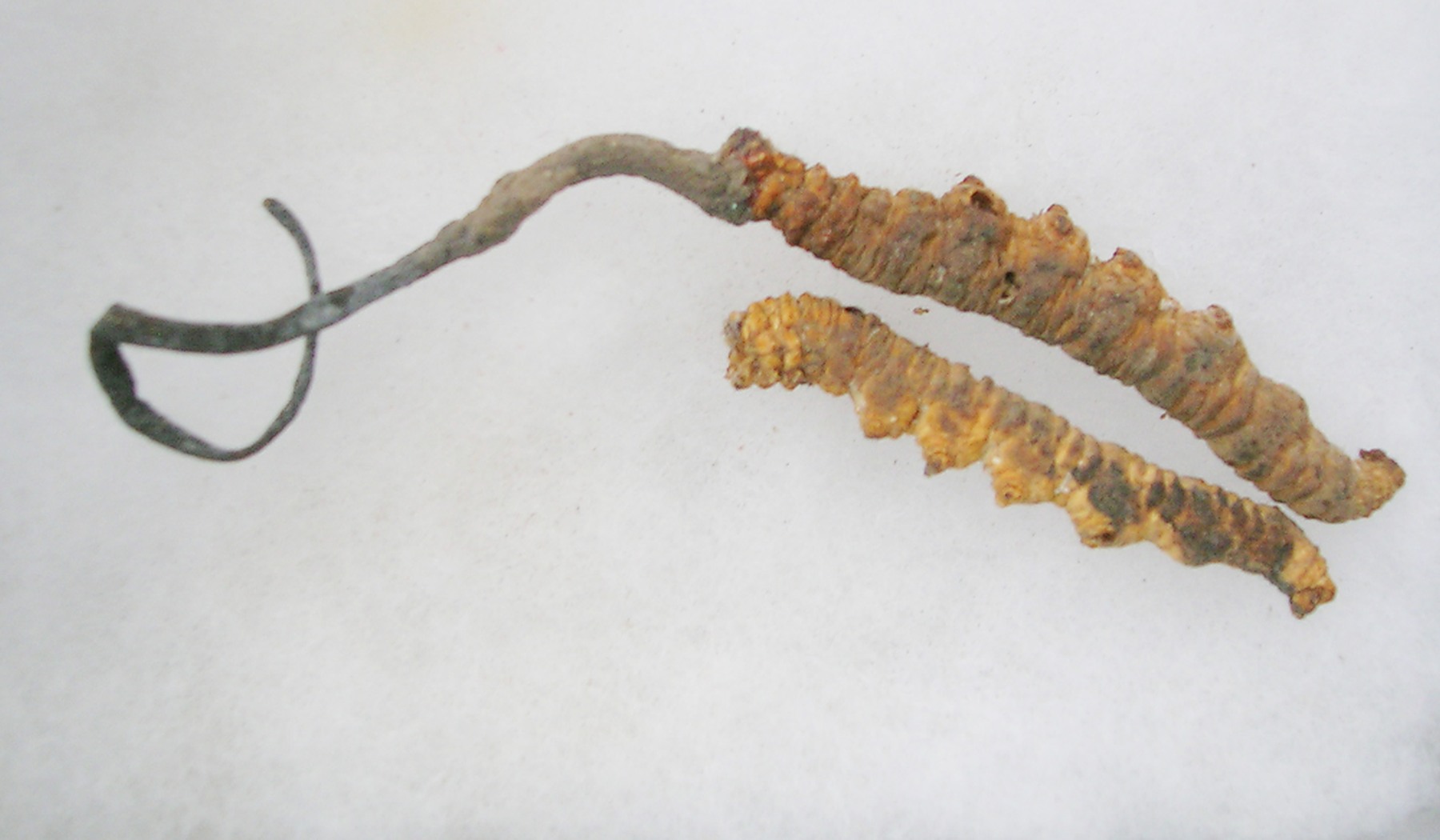
Whole specimens, powders, capsules and extracts each answer a different buyer need.
Read featured article
How to read studies without confusing mechanisms, surrogate markers and consumer outcomes.
Read article
A certificate can document a defined test or registration, but it does not validate every marketing claim.
Read article
Wild specimens, cultivated products, extracts and capsules occupy very different market segments.
Read article
Tea, soups, broths and infusions are part of the traditional culinary context around whole Cordyceps.
Read article
Moisture, heat and poor containers can damage a high-value natural product.
Read article
Origin stories are valuable only when they connect to traceable, batch-level evidence.
Read article
Cleaning, drying, grading, storage and traceability shape the final quality of wild whole specimens.
Read article
The current scientific name helps separate a specific species from the broader Cordyceps trade category.
Read article
A practical guide to Cordyceps, Ophiocordyceps, caterpillar fungus, mycelium and fruiting body.
Read article
Appearance can reveal handling quality, but identity and safety require more than visual inspection.
Read article
Wild O. sinensis, cultured mycelium and C. militaris are different materials and should be labelled clearly.
Read article
Seasonal Cordyceps collection can be economically important to mountain communities.
Read article
Responsible collection has ecological and community dimensions as demand for wild material remains high.
Read article
High-mountain fungi depend on climate, snow, soil and host insects, making ecological change a major long-term concern.
Read article
How performance narratives grew—and why modern claims should still be checked against actual trials.
Read article
Trade, scientific literature and sports stories helped move Cordyceps into international awareness.
Read article
From regional traditional knowledge to global natural-product research.
Read article
The Tibetan Plateau and Himalayan regions form the best-known ecological setting for Ophiocordyceps sinensis.
Read article
A combination of specialised ecology, seasonal emergence, hand collection and demand makes wild material scarce.
Read article
A field-to-market look at hand collection during the short alpine harvesting season.
Read article
Why the caterpillar fungus is tied to high-altitude grasslands and why provenance matters.
Read article