
Overview
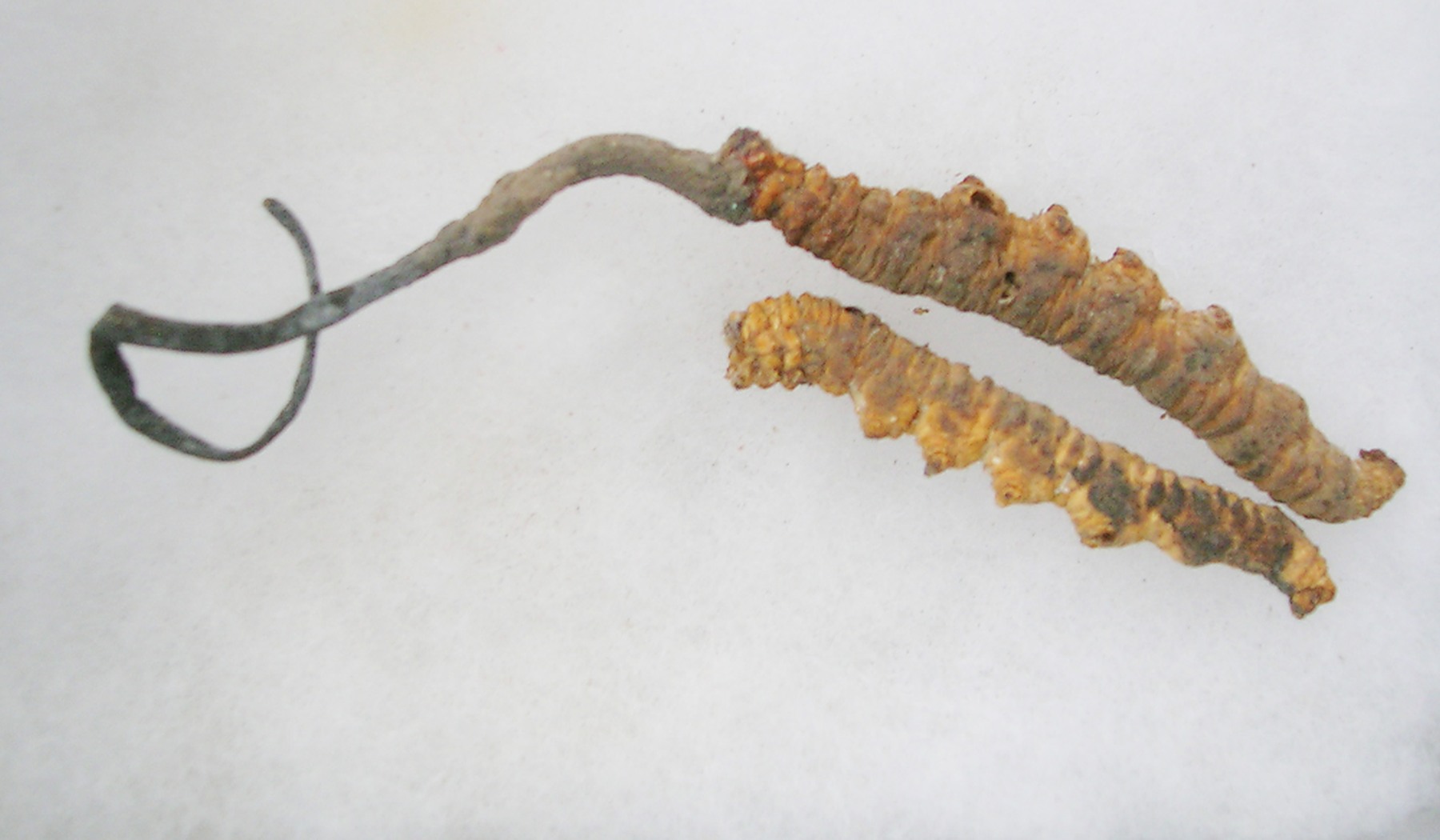
Wild O. sinensis, cultured mycelium and C. militaris are different materials and should be labelled clearly. Modern Cordyceps discussion often mixes several materials under one name. Clear taxonomy and study design are essential if an article is meant to educate rather than advertise.
Not one interchangeable product
Wild O. sinensis, cultured O. sinensis mycelium and cultivated C. militaris differ in biology, appearance, chemistry and price. Some cultivated products are useful and well-standardised, but they should be labelled accurately.
Consumers benefit when the label clearly states species, plant/fungal part or biomass type, cultivation method and extract ratio where relevant.
What a responsible brand should show
- A clear species/material description
- Traceable origin or manufacturing information
- Batch and storage information
- Relevant test documents when available
- Claims that match the actual evidence and local regulations
Bottom line
Cordyceps is a compelling natural-history and cultural story, but premium positioning is strongest when the story is supported by transparent documentation. Education, provenance and quality control should carry more weight than exaggerated promises.