
Overview
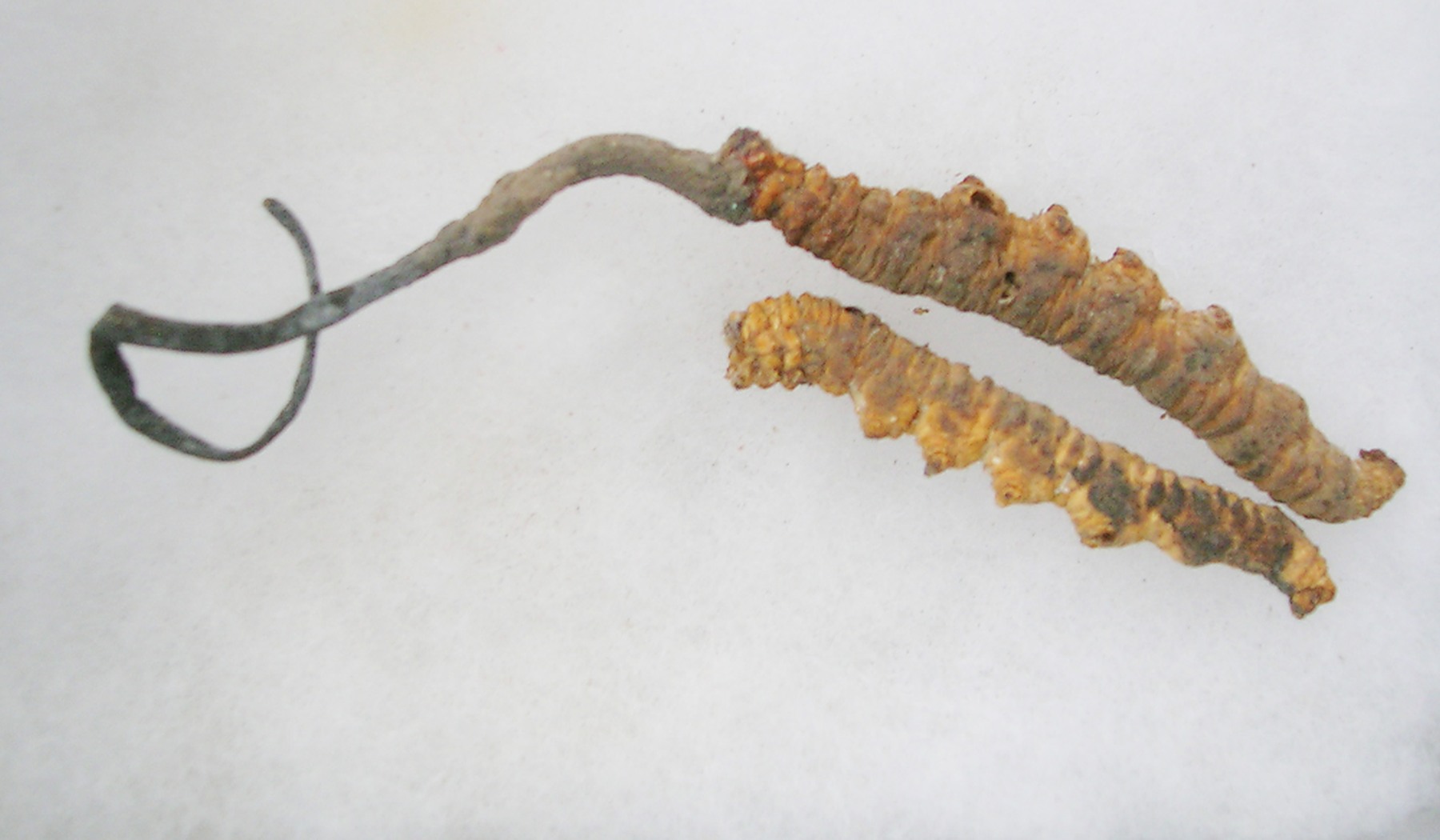
A combination of specialised ecology, seasonal emergence, hand collection and demand makes wild material scarce. Whole wild Cordyceps is visually distinctive—a caterpillar-derived sclerotium with a fungal stroma—but appearance alone cannot prove geographic origin, chemical profile or safety.
Specialised biology meets strong demand
The species depends on a particular host-fungus relationship, mountain climate and seasonal fruiting. That biology cannot be scaled like an ordinary cultivated mushroom crop.
Scarcity also creates adulteration pressure. Buyers should value identity and contaminant testing as much as cosmetic grading.
What a responsible brand should show
- A clear species/material description
- Traceable origin or manufacturing information
- Batch and storage information
- Relevant test documents when available
- Claims that match the actual evidence and local regulations
Bottom line
Cordyceps is a compelling natural-history and cultural story, but premium positioning is strongest when the story is supported by transparent documentation. Education, provenance and quality control should carry more weight than exaggerated promises.