
Overview
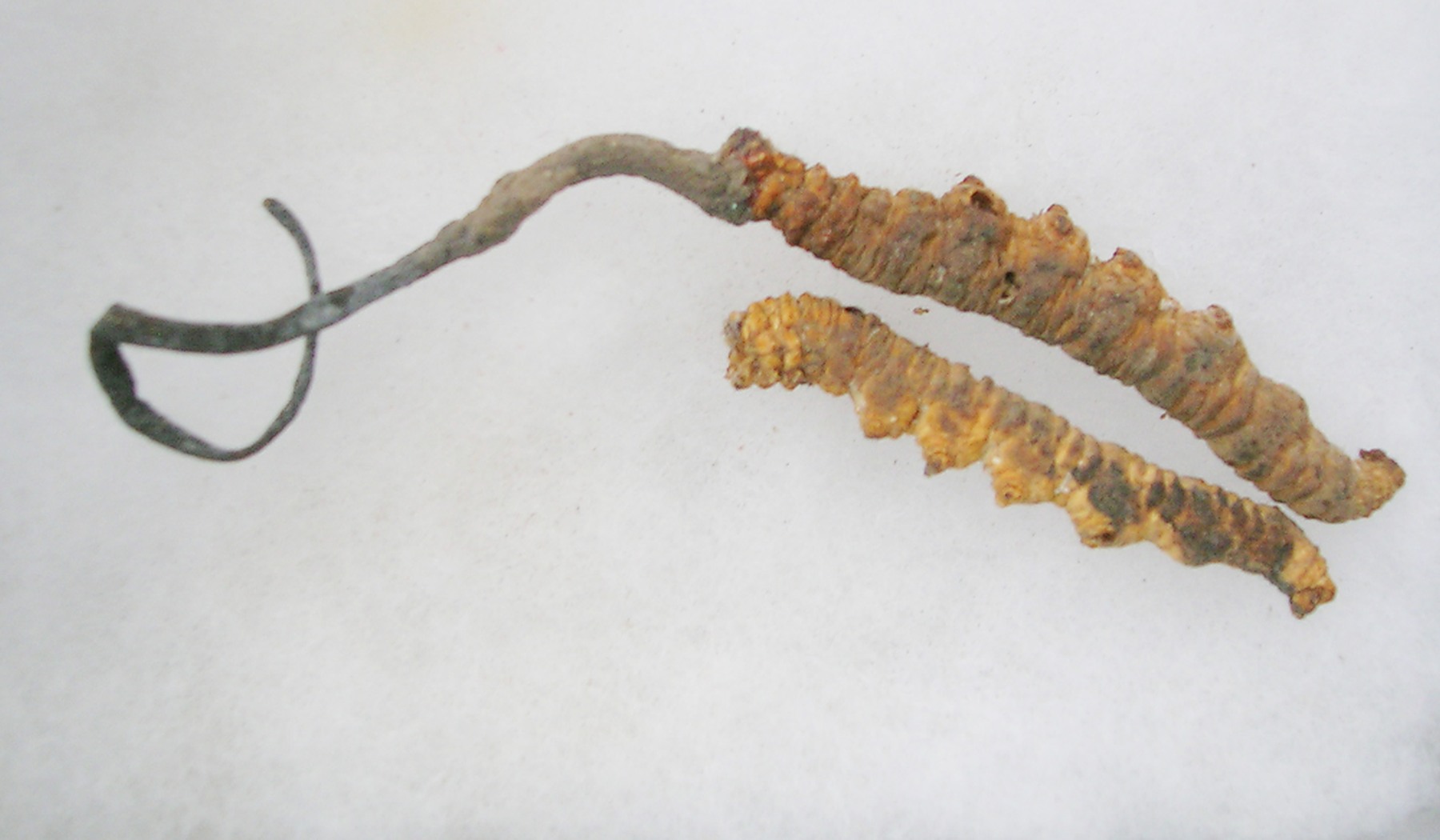
Moisture, heat and poor containers can damage a high-value natural product. Whole wild Cordyceps is visually distinctive—a caterpillar-derived sclerotium with a fungal stroma—but appearance alone cannot prove geographic origin, chemical profile or safety.
Control moisture first
Dried specimens should be kept sealed, cool and dry, away from direct sunlight and strong odours. Repeated opening in humid conditions can shorten quality life.
If the product becomes damp, develops unusual odour, visible mould or other signs of deterioration, it should not be consumed.
What a responsible brand should show
- A clear species/material description
- Traceable origin or manufacturing information
- Batch and storage information
- Relevant test documents when available
- Claims that match the actual evidence and local regulations
Bottom line
Cordyceps is a compelling natural-history and cultural story, but premium positioning is strongest when the story is supported by transparent documentation. Education, provenance and quality control should carry more weight than exaggerated promises.