
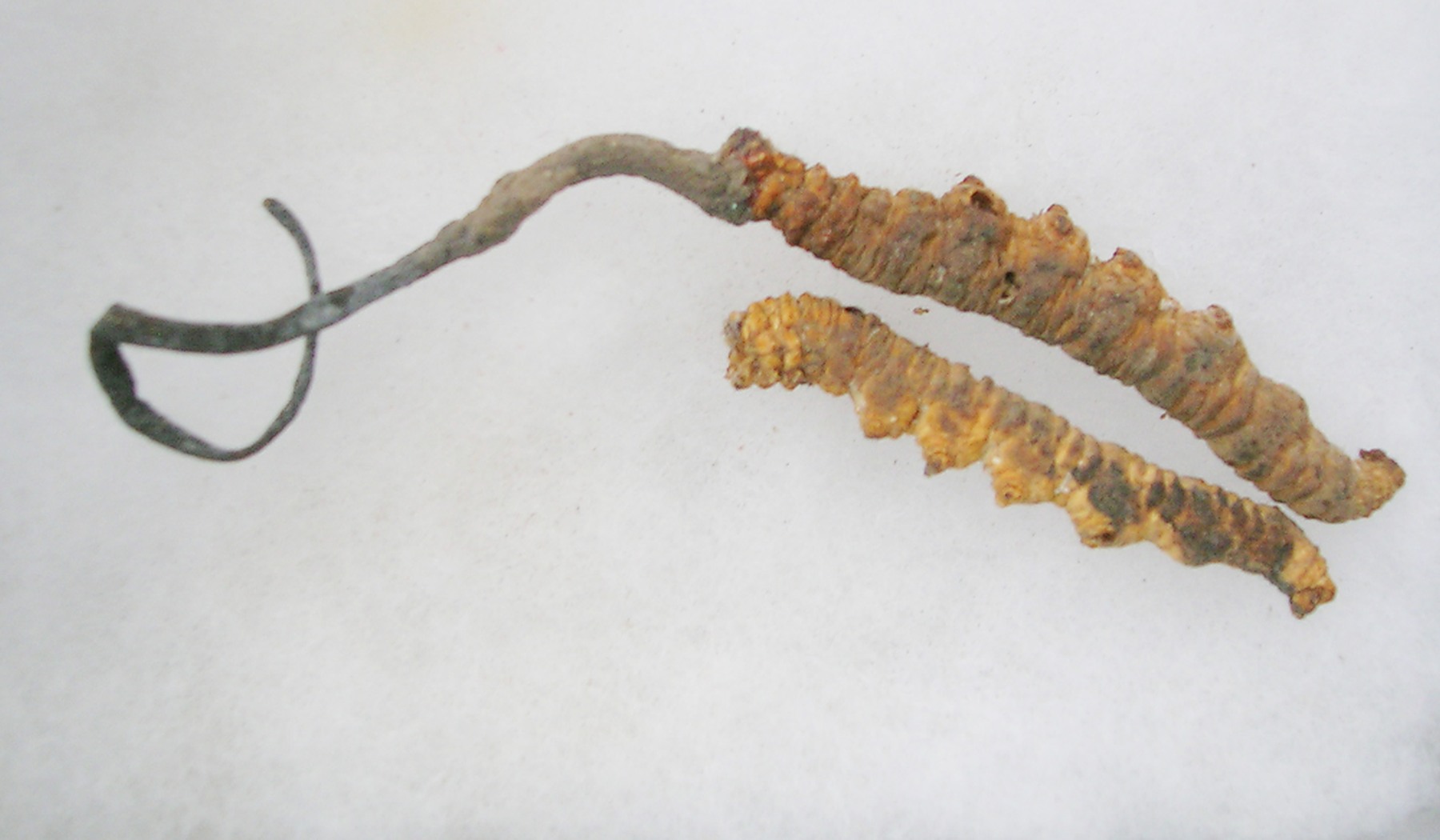
Overview
From regional traditional knowledge to global natural-product research. Cordyceps has moved through several knowledge systems: local harvesting traditions, Asian materia medica, natural-history writing, modern taxonomy and contemporary supplement science.
From regional materia medica to global trade
Historical descriptions developed gradually, and terminology changed over time as naturalists and mycologists refined classification. Traditional use centred on vitality and restorative preparations rather than modern disease-specific claims.
Historical use can justify cultural context, but it should not be presented as proof that a product has passed modern clinical testing.
What a responsible brand should show
- A clear species/material description
- Traceable origin or manufacturing information
- Batch and storage information
- Relevant test documents when available
- Claims that match the actual evidence and local regulations
Bottom line
Cordyceps is a compelling natural-history and cultural story, but premium positioning is strongest when the story is supported by transparent documentation. Education, provenance and quality control should carry more weight than exaggerated promises.