
Why this topic is studied
Preclinical researchers have tested Cordyceps extracts in behavioural models related to stress, fatigue and mood.
What the evidence actually measures
Proposed mechanisms often involve neuroinflammation, oxidative stress or neurotransmitter-related signalling. Animal behavioural tests are not diagnoses of human depression.
How to read the result
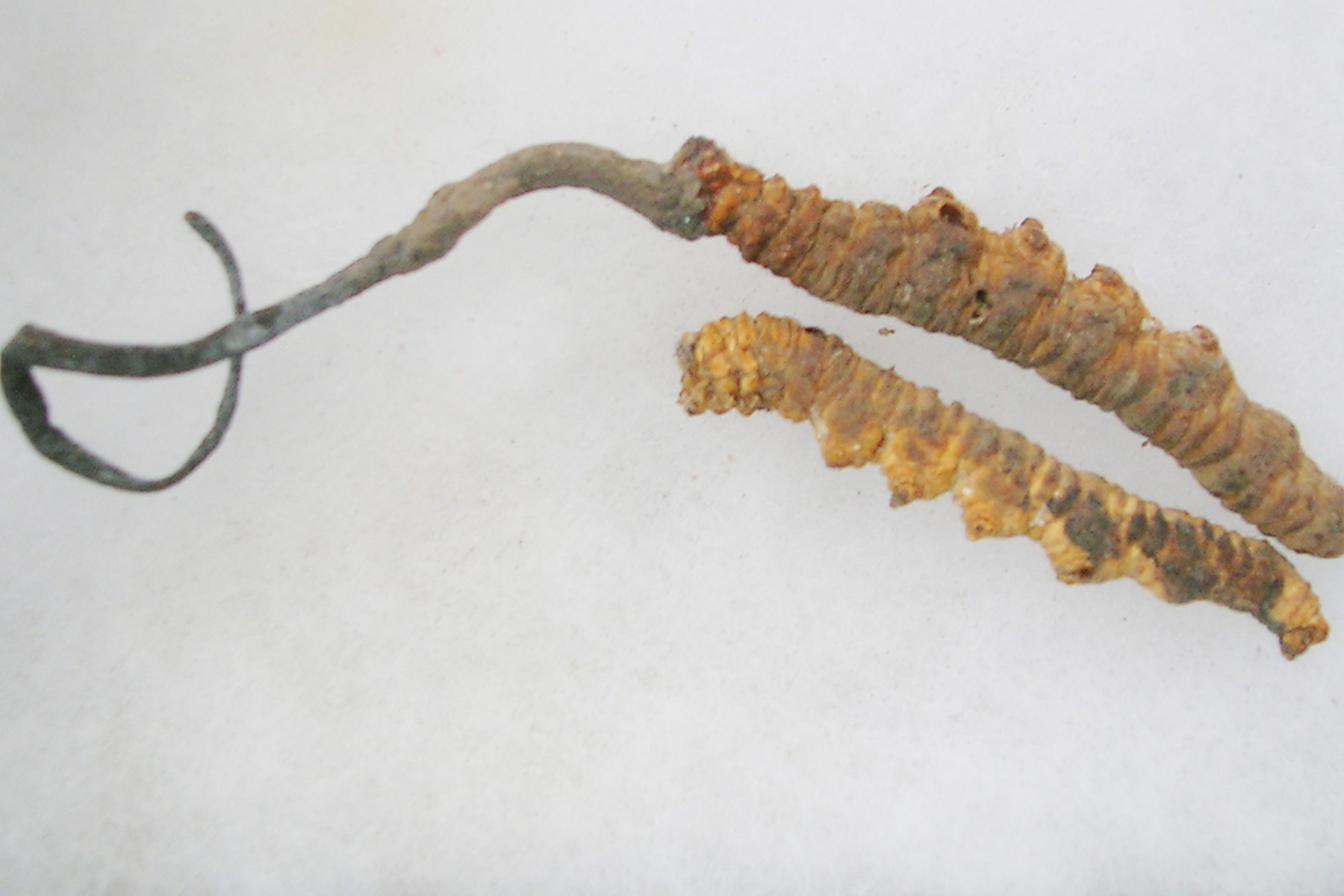
Laboratory, animal and human evidence are not interchangeable. Results also depend on whether researchers used wild Ophiocordyceps sinensis, cultured mycelium, Cordyceps militaris, a mixed formula, an extract or a purified compound. Stronger consumer claims require a comparable preparation and well-controlled human outcomes.
Practical interpretation
Cordyceps should not be marketed as an antidepressant or used instead of evidence-based mental-health care.
- Check the exact species and preparation in the study.
- Look for human controls, sample size and clinically meaningful endpoints.
- Do not transfer a result from a purified compound to every Cordyceps product.
- Keep medical treatment decisions separate from supplement marketing.
Educational only: This research summary does not establish that a Cordyceps product can prevent, diagnose, treat or cure disease.
Educational context: This summary does not establish that a Cordyceps product can prevent, diagnose, treat or cure disease.