
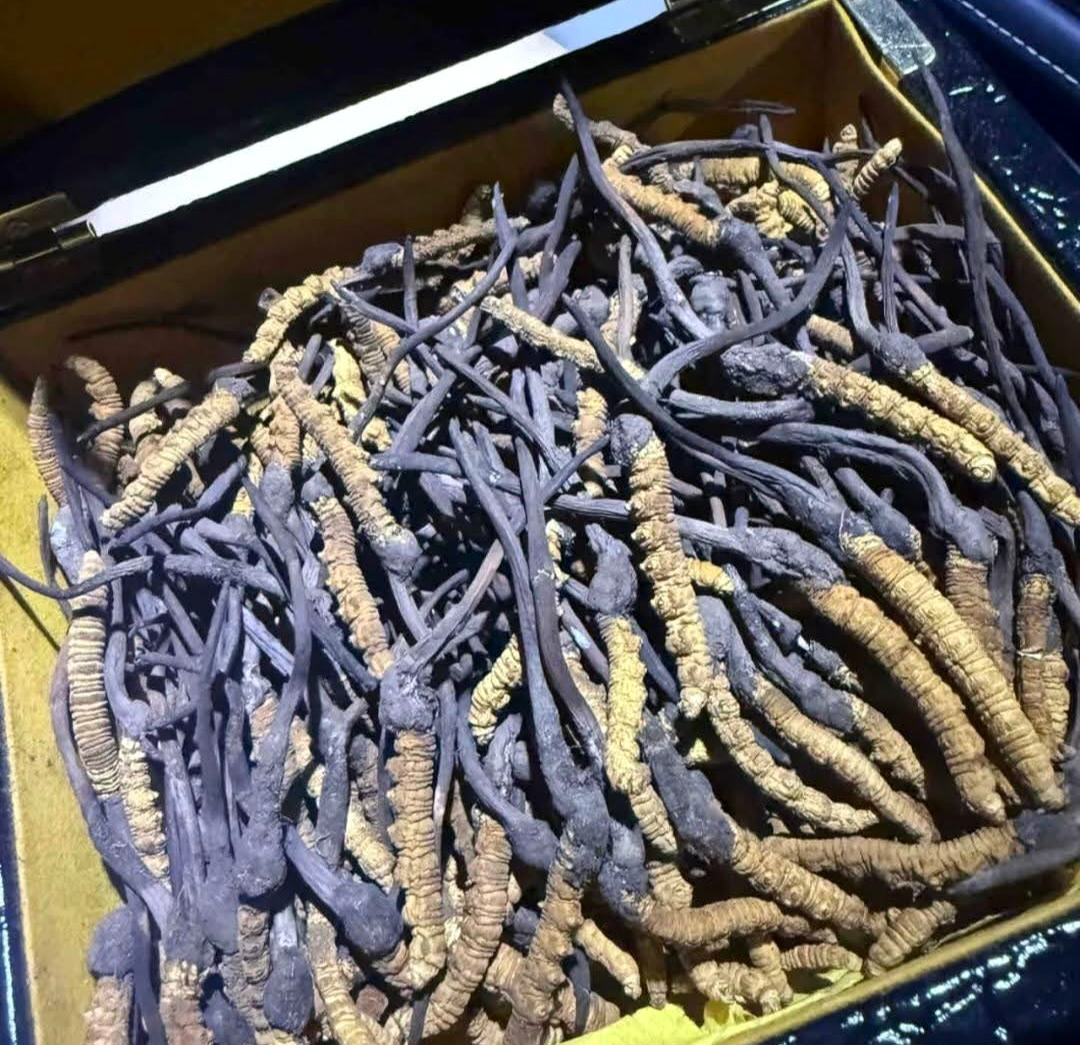
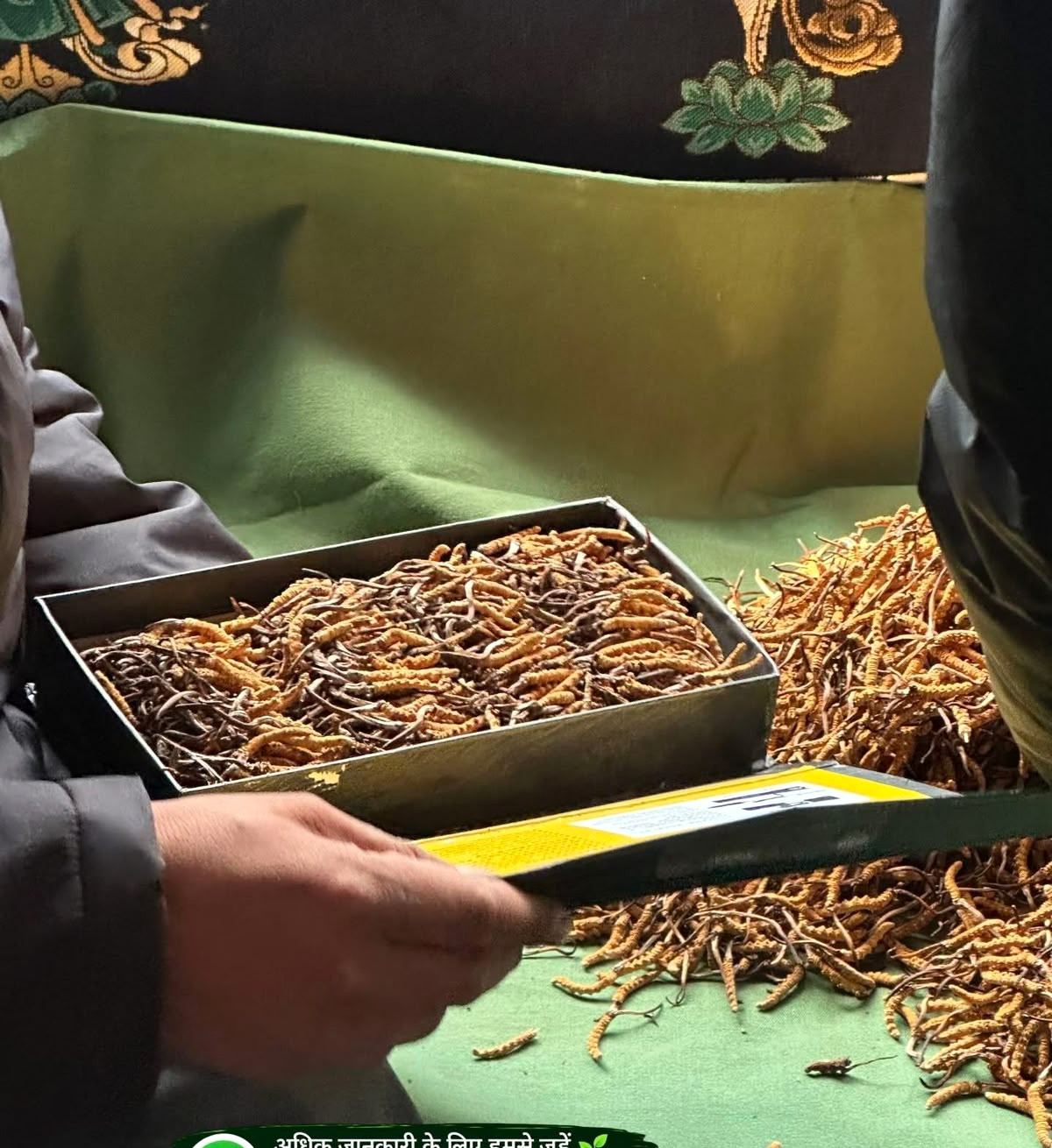
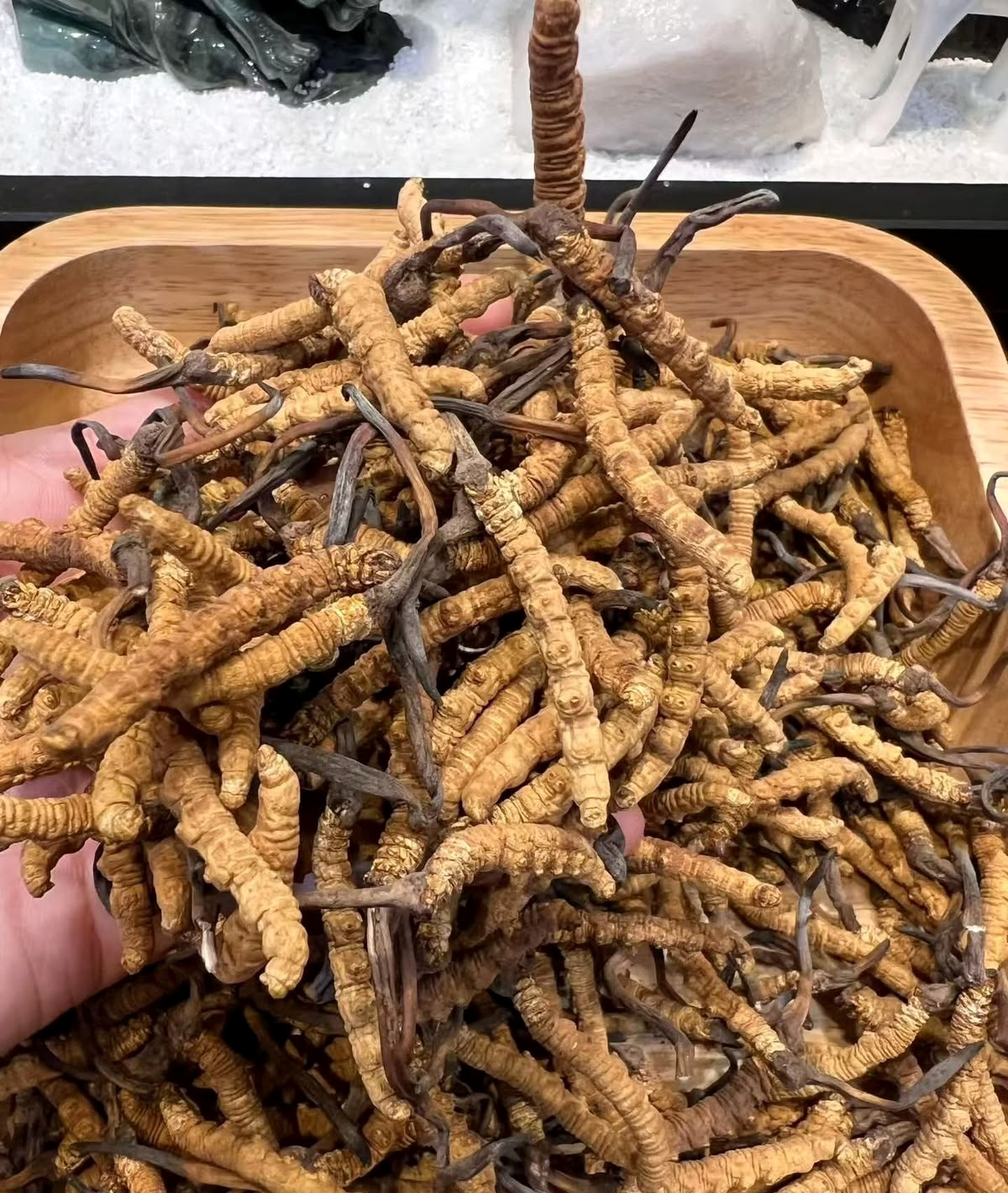
Himalayan Gold Yarsa Gumba — Small
Small grade: 1 gram = 5 pieces. Price ₹300 per piece.
Shop three Yarsa Gumba grades with clear per-piece pricing: Small, Medium and King.
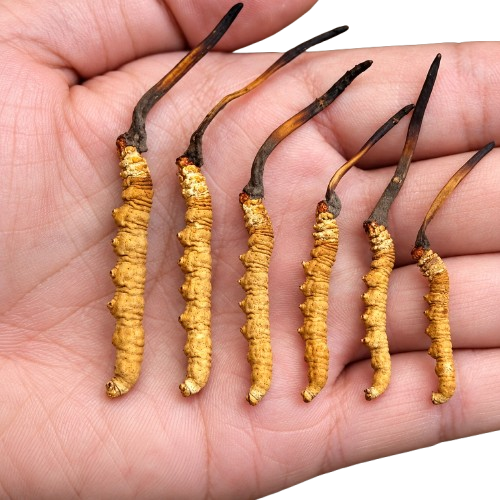
Small: 1 gram = 5 pieces at ₹300 per piece. Medium: 1 gram = 3 pieces at ₹500 per piece. King: 1 gram = 2 pieces at ₹1,000 per piece.
Small grade: 1 gram = 5 pieces. Price ₹300 per piece.
Medium grade: 1 gram = 3 pieces. Price ₹500 per piece.
King grade: 1 gram = 2 pieces. Price ₹1,000 per piece.
King grade: 1 gram = 2 pieces. Price ₹1,000 per piece.
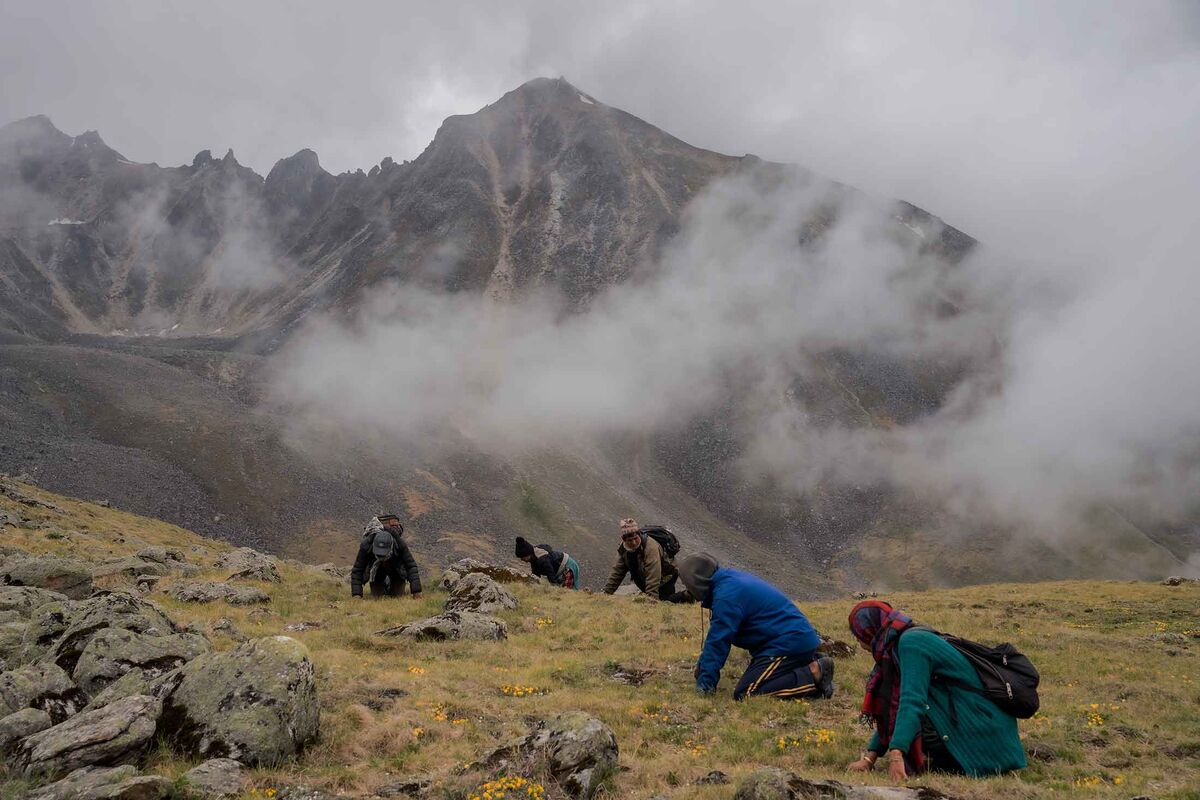
Wild Ophiocordyceps sinensis develops through a specialised fungus–insect relationship in high-altitude alpine meadows. The origin section explains habitat, manual collection, cleaning, drying, grading, storage and traceability in clear English.
The verification area groups available identity, microbiology, contaminant, origin and conformity records by what each document covers.
Published product and batch documents appear here when a genuine file is available.
Cordyceps has a traditional reputation as a vitality and aphrodisiac ingredient, which led to the popular “Himalayan Viagra” nickname.
Read researchAnimal and laboratory studies have explored sleep duration, arousal pathways and circadian biology after Cordyceps-related interventions.
Read researchRecent reviews bring together taxonomy, traditional use, chemistry and experimental pharmacology across Cordyceps-related species and preparations.
Read research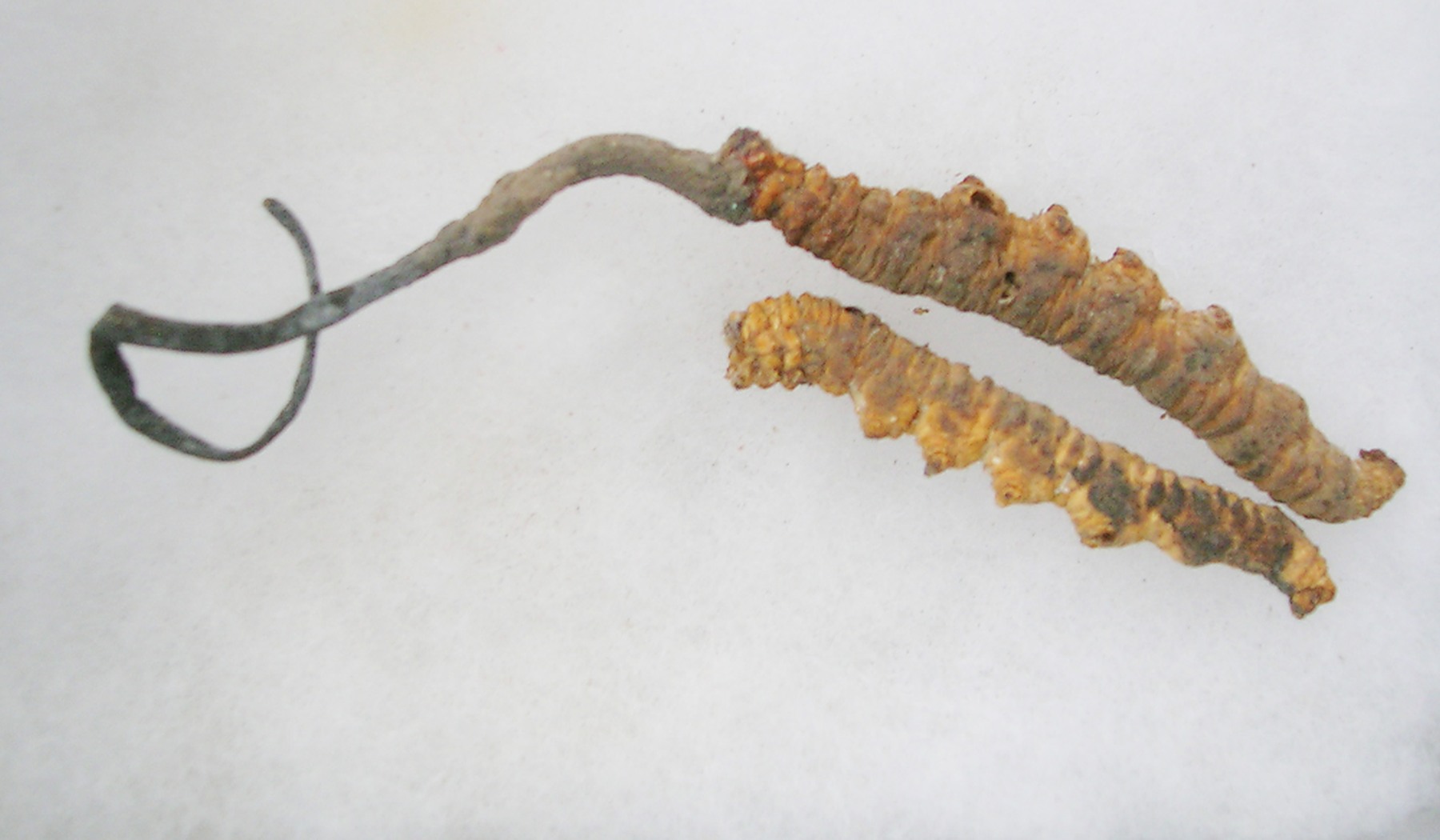
Whole specimens, powders, capsules and extracts each answer a different buyer need.
Read article
How to read studies without confusing mechanisms, surrogate markers and consumer outcomes.
Read articleA certificate can document a defined test or registration, but it does not validate every marketing claim.
Read articleUnderstand product formats, origin, storage, quality documentation and the difference between research interest and proven health outcomes.
View all 30 questions“Cordyceps” is used for a group of parasitic fungi and, commercially, for several related natural products. The wild caterpillar fungus most often discussed in Himalayan trade is Ophiocordyceps sinensis; cultivated products may use other species such as Cordyceps militaris.
It is associated with high-altitude alpine grasslands of the Tibetan Plateau and Himalayan region. Populations occur in parts of China/Tibet, Bhutan, Nepal and India, where suitable host insects and mountain climate coincide.
Wild material has a specialised ecology, a short collection season, difficult high-altitude field work and strong demand. Price also reflects grading, origin claims and supply-chain layers; none of these alone proves medical potency.
Collectors usually search alpine meadows by hand for the small fungal stroma emerging above the soil, then carefully remove the caterpillar-fungus structure. Cleaning and drying follow after collection.
It is a fungus, but wild O. sinensis does not look like a typical cap-and-stem mushroom. Its visible stroma grows from an infected caterpillar-derived structure in the soil.